NASA astronaut and Artemis II Commander Reid Wiseman peers out of one of the Orion spacecraft's main cabin windows on April 4, 2026, looking back at Earth, as the crew travels towards the Moon.
— Summary
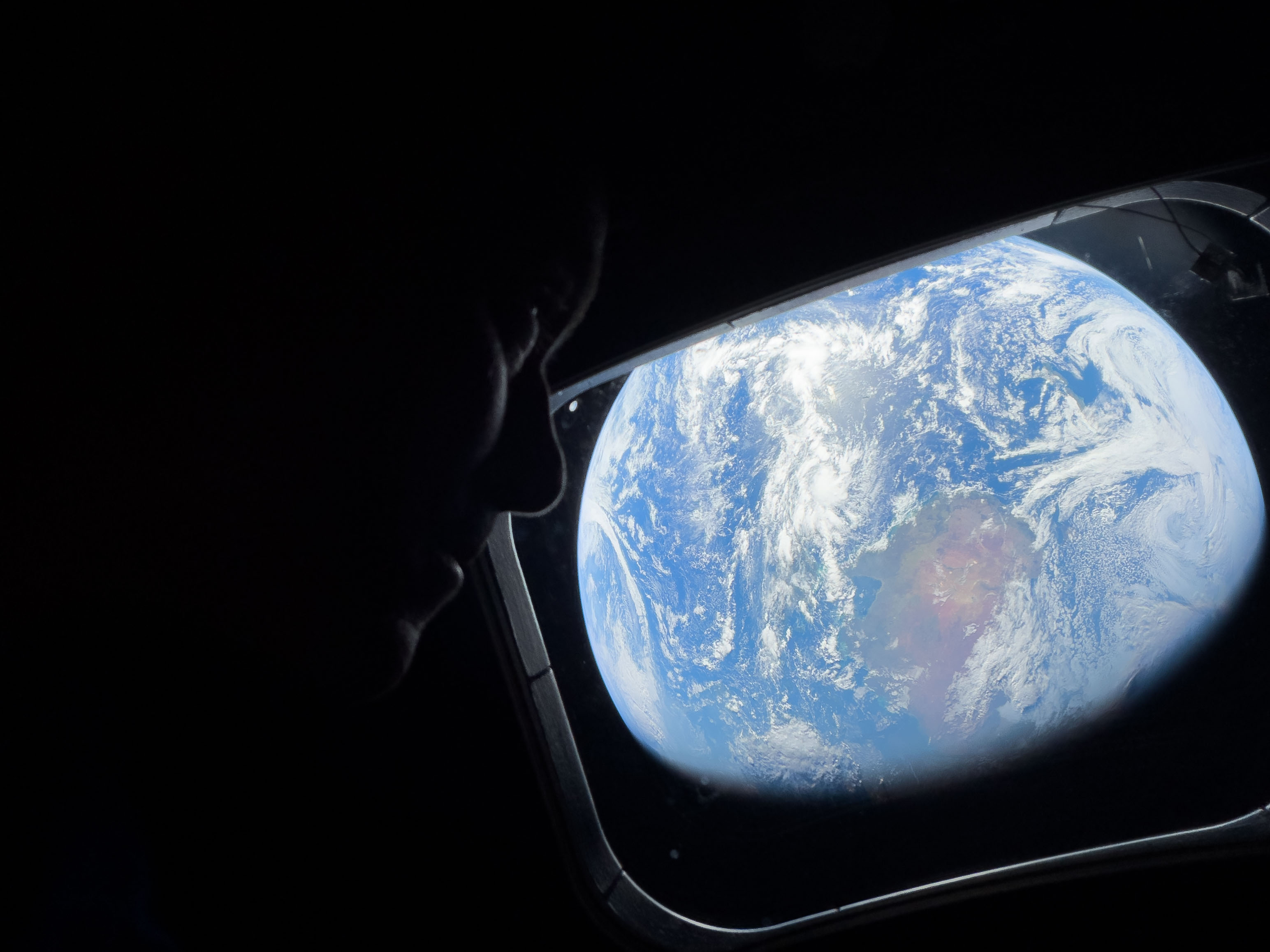
NASA astronaut and Artemis II Commander Reid Wiseman peers out of one of the Orion spacecraft's main cabin windows on April 4, 2026, looking back at Earth, as the crew travels towards the Moon.
More to read
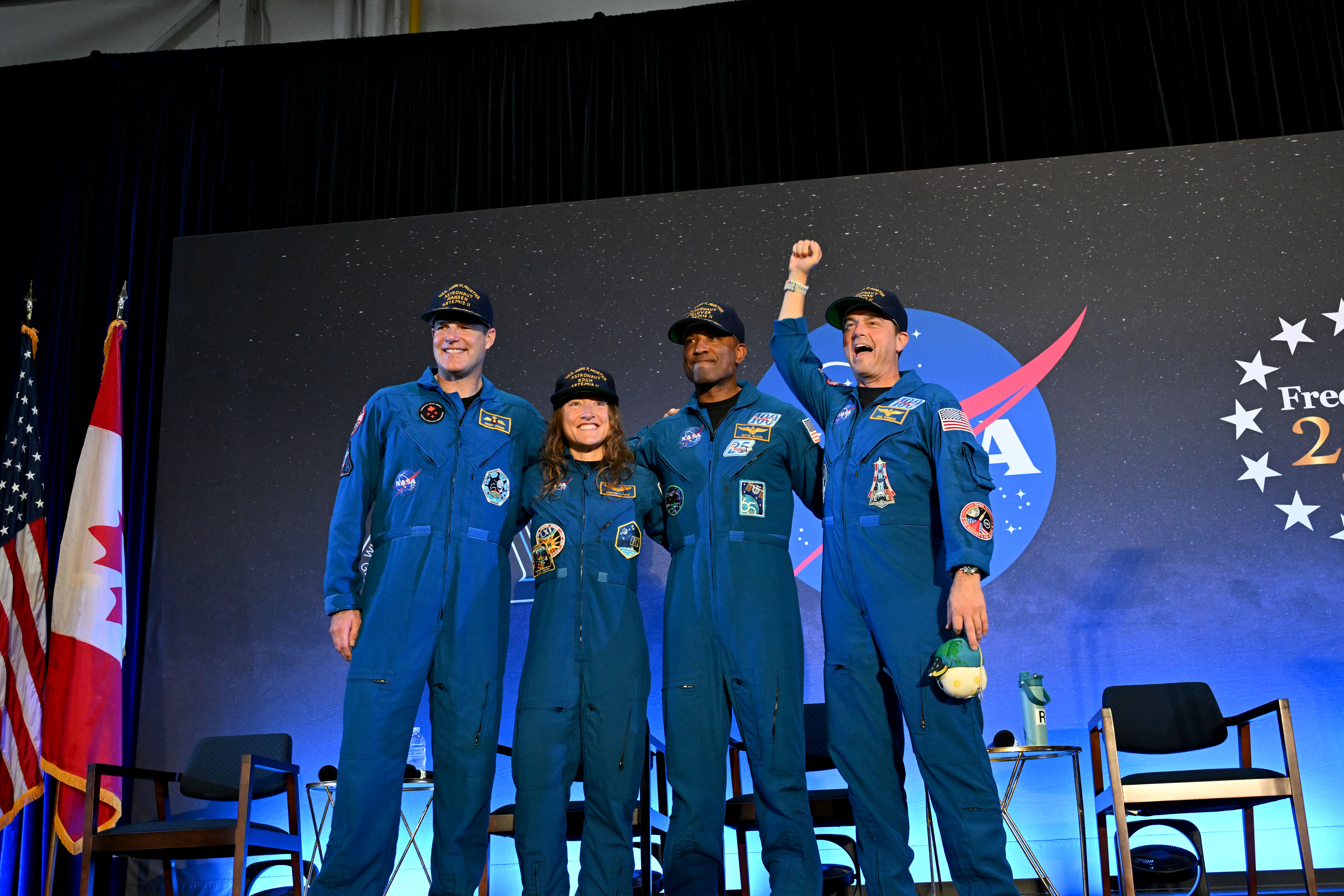
NASA’s Artemis II crew shared brief remarks with friends, family, and colleagues after they landed at Ellington Airport near NASA’s Johnson Space Center in Houston on Saturday, April 11, 2026, after a nearly 10-day journey around the Moon and back to Earth.

A train transports eight booster motor segments for the SLS (Space Launch System rocket) that will power NASA’s Artemis III mission from Northrop Grumman’s Railyard Shipping Facility in Corinne, Utah, June 2, to NASA’s Kennedy Space Center in Florida.

NASA’s X-59 quiet supersonic research aircraft flies over the Mojave Desert in California on April 14, 2026.

The new space telescope will work in tandem with the Hubble Space Telescope to uncover more secrets of the universe.
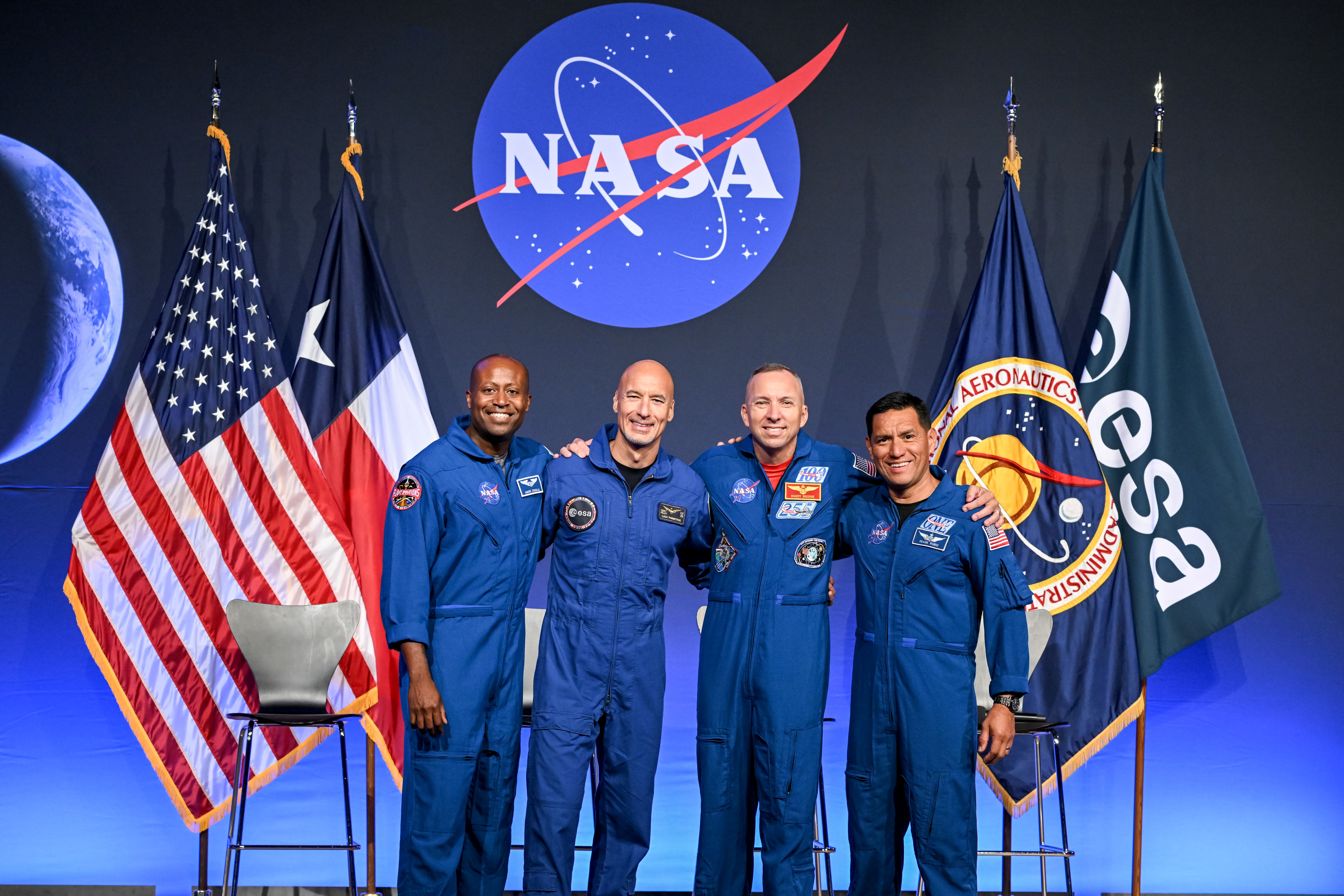
NASA announced the Artemis III crew on Tuesday, June 9, 2026. NASA astronaut Andre Douglas, mission specialist; ESA (European Space Agency) astronaut Luca Parmitano, pilot; NASA astronaut Randy Bresnik, commander; and NASA astronaut Frank Rubio, mission specialist, will demonstrate the Orion spacecraft's rendezvous and docking capabilities with test versions from one, or both, American commercial human landing systems in development by Blue Origin and SpaceX.
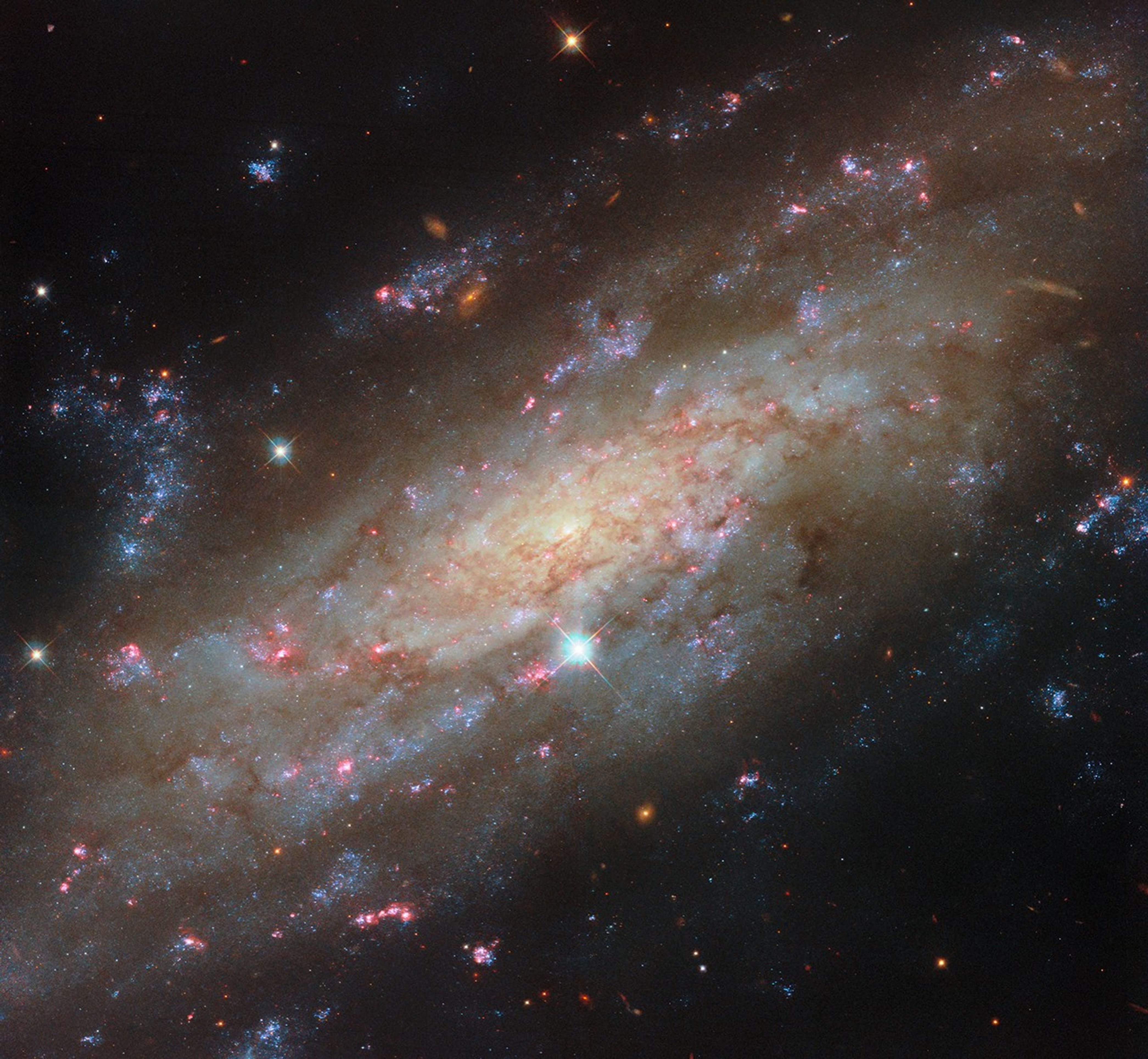
This NASA Hubble Space Telescope image features the glittering spiral galaxy NGC 3137, located 53 million light-years away in the constellation Antlia (the Air Pump).